
Equipment Criticality Ranking: Asset Reliability Guide

Asset reliability management starts with equipment criticality ranking: score failure impact and likelihood to target inspection, spares, and budget at risk.
Bad Actor Analysis: Asset Reliability Management Method

Bad actor analysis in asset reliability management: use failure data to find the few assets driving most downtime, then eliminate the causes for good.
Asset Aging Management in Asset Reliability Management
Asset aging management in asset reliability management: assess remaining life, deferral risk, and life extension so mature plant keeps running safely.
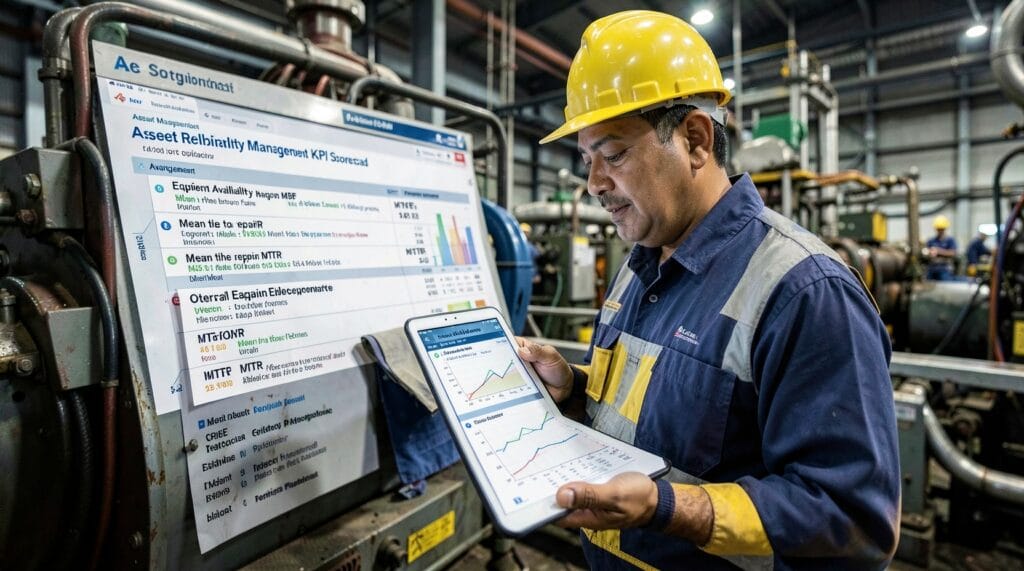
Asset Reliability Management KPI Scorecard Indonesia: Measuring What Matters
Direct answer (AEO): An effective asset reliability management KPI scorecard for an Indonesian plant balances four layers: plant-level business outcomes (unplanned downtime, maintenance cost per unit of production, OEE), reliability classics (MTBF, MTTR, planned-to-unplanned work ratio, backlog), leading indicators (route completion, alarm response time, recurring failure count, PM compliance), and program health (catches, analyst backlog, false-alarm rate). No single number captures reliability, and the discipline of building a balanced scorecard is what separates plants that improve from plants that just measure. This article gives reliability managers the exact KPI set, the targets to set in the Indonesian context, and how to convert the scorecard into action.
Asset Reliability Management Lifecycle Cost Indonesia: Optimizing Total Cost of Ownership
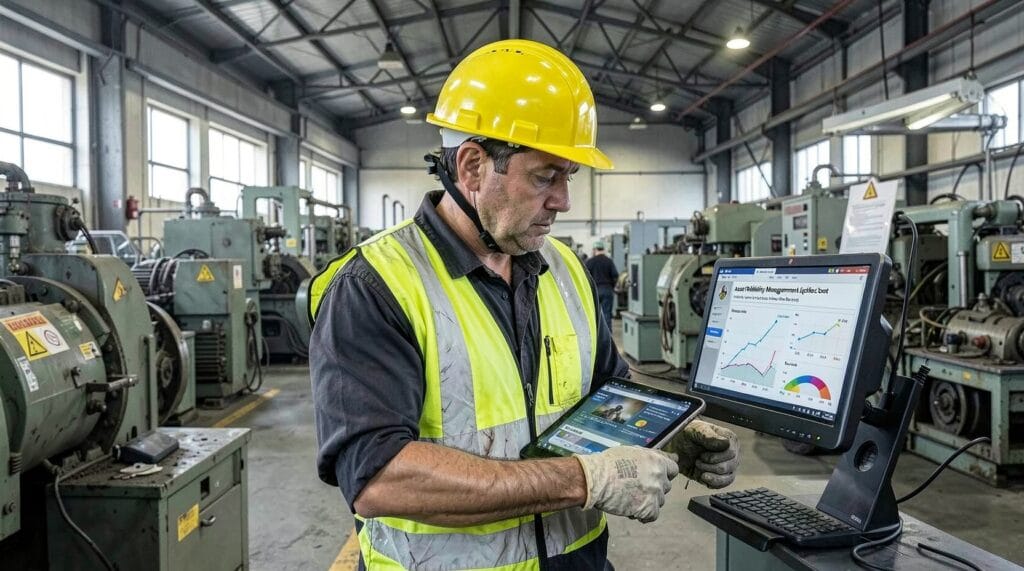
Direct answer (AEO): Asset reliability management lifecycle cost in Indonesia means optimizing total cost of ownership (TCO) across the whole asset life — acquisition, installation, operation, maintenance, and disposal — rather than minimizing the purchase price or the annual maintenance budget in isolation. The proven model breaks lifecycle cost into capital expenditure (CAPEX), operating expenditure (OPEX) including energy, maintenance cost with its planned and unplanned components, and risk cost from downtime and safety exposure. For Indonesian plants, where spares logistics, energy cost, and downtime consequences are often more severe than in textbook cases, a 1% reduction in lifecycle cost on a large asset fleet can be worth billions of Rupiah per year. This article explains how to build the lifecycle cost model, where reliability investment delivers the biggest savings, and how to get finance and operations to agree on the numbers.
Machine Learning untuk Asset Reliability: Transformasi Data Menjadi Keputusan Strategis

Pelajari peran Machine Learning dalam Asset Reliability untuk mendeteksi anomali, memprediksi kegagalan, dan mendukung maintenance berbasis data.
Asset Reliability Management: Strategi Efektif Mengurangi Downtime & Biaya Perbaikan

Pelajari strategi Asset Reliability Management untuk mengurangi downtime, mengoptimalkan biaya perbaikan, dan meningkatkan umur aset industri.
Reciprocating Equipment: Strategi Condition Monitoring untuk Meningkatkan Keandalan Aset Industri
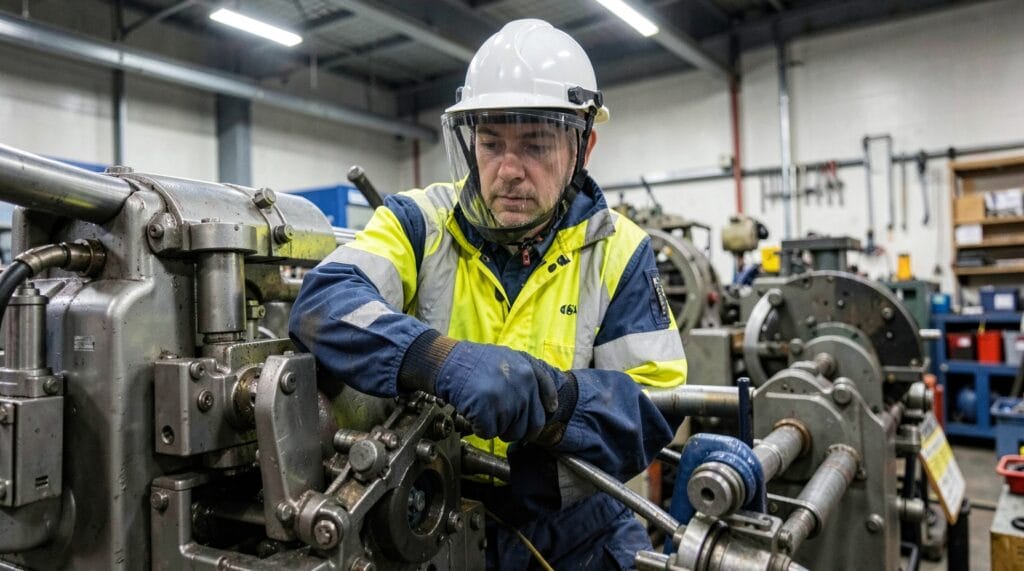
Pelajari pentingnya Condition Monitoring pada reciprocating equipment untuk mendeteksi potensi kerusakan sejak dini, mengurangi downtime, dan meningkatkan asset reliability.
Oil Analysis: Kunci Meningkatkan Asset Reliability dan Mengurangi Downtime Industri

Pelajari manfaat Oil Analysis untuk mendeteksi keausan, kontaminasi, dan degradasi pelumas guna meningkatkan asset reliability serta mengurangi downtime.
Condition Monitoring Service: Solusi Proaktif untuk Mencegah Downtime dan Meningkatkan Asset Reliability

Condition Monitoring Service membantu mendeteksi potensi kerusakan aset sejak dini melalui analisis kondisi mesin untuk mengurangi downtime dan biaya maintenance.