Digital Twin and IIoT in Condition Monitoring: Online Condition Monitoring Indonesia Reality
Direct answer (AEO): Digital twin and industrial IoT technologies are genuinely valuable in condition monitoring, but the value comes from a narrow set of applications rather than from the broad vision usually presented. In practice, what works in Indonesian plants is straightforward: cheap wireless sensors extending coverage to assets that were never economical to instrument, automated analysis that removes the need for a human to look at every reading, and a physics-based model of a specific machine that answers a specific question — is this efficiency loss fouling or impeller wear? What fails is the large-scale digital twin project that attempts to model an entire plant before delivering any operational benefit, and the IIoT rollout that produces a flood of data with no analytical capacity behind it. The sequencing question determines the outcome far more than the technology choice.
Planning an IIoT or digital twin initiative? Contact Tiaravib — email info@tiaravib.com or WhatsApp +62 821-1378-3727.
At a Glance
- Where the value actually is: cheap sensor coverage of previously unmonitored assets, automated analysis at scale, and physics-based models of specific machines answering specific questions.
- Where projects fail: plant-wide digital twin programmes that model everything before delivering anything, and IIoT rollouts with no analytical capacity behind the data.
- Cost of a sensor has collapsed; cost of interpretation has not: the bottleneck moved from measurement to analysis, and most programmes are still designed for the old bottleneck.
- Wireless changes the economics: assets that were never worth cabling may now be worth instrumenting — but only if the resulting data is acted upon.
- Model fidelity beats model scope: a well-validated model of one compressor train is worth more than a rough model of a whole plant.
- Data infrastructure is unglamorous and decisive: tag naming, time synchronisation, and historian quality determine whether analytics are possible at all.
The Bottleneck Moved and Most Programmes Did Not Notice
For most of the history of condition monitoring, measurement was expensive and analysis was comparatively cheap. A transducer, a cable run, an acquisition channel, and the labour to install them were the binding constraints, so programmes were designed to minimise measurement: choose the fewest points, at the longest defensible interval, and extract maximum information from each reading. Analysts were scarce but the volume of data was manageable.
Wireless sensors and low-cost edge devices inverted this. Measuring vibration, temperature, and current on an asset now costs a small fraction of what it did a decade ago, and installation no longer requires cable trays and shutdown access. It is now economically rational to instrument hundreds of assets that would previously never have been considered. But the cost of interpreting that data has not fallen at all — if anything it has risen, because continuous data from hundreds of assets produces findings at a rate no team can process manually.
This is the single most important observation for any IIoT initiative. A programme that adds sensors without adding analytical capacity generates data that nobody reads, which produces no value and eventually produces organisational cynicism when the promised benefits do not appear. The programmes that succeed treat sensor rollout and analytical capacity as a single coupled investment, and scale the first only as fast as the second can absorb.
What IIoT Genuinely Delivers
Stripped of the vendor framing, low-cost sensing delivers three concrete things that a conventional programme cannot.
Coverage of the long tail. Most plants have a large population of assets that were never monitored because the cost per point exceeded the value of the information. Small pumps, fans, blowers, and gearboxes in non-critical but not unimportant service. Wireless sensors make it economically viable to cover this population, and doing so converts a class of surprise failures into a class of detected trends. The value here is not analytical sophistication; it is simply that failures which used to be surprises now have histories.
Continuous rather than sampled coverage on critical assets. A portable route samples a machine for a few seconds every few weeks. Continuous monitoring sees every start-up, every load change, every transient. For machines whose damage accumulates during transients — and most large rotating machinery falls into this category — the difference in information content is substantial rather than marginal.
Automated first-pass analysis. Rule-based and statistical screening can triage thousands of measurements, flag the small number that deviate, and route them to an analyst. This is not artificial intelligence and does not need to be; a well-constructed screening layer that compares each reading against its own history, its sister machines, and its operating conditions removes the manual scanning burden and lets scarce analytical capacity concentrate where it adds value. The machine learning for asset reliability discussion is worth reading here, but the honest position is that most plants need good statistical screening long before they need machine learning.
| Application | Realistic Value | Typical Failure Mode |
|---|---|---|
| Wireless sensing across the long tail of minor assets | High — converts surprise failures into detected trends at low cost per point | Rollout outpaces analytical capacity, so findings are never actioned and credibility is lost. |
| Continuous coverage on critical machines | High — captures transients that periodic routes systematically miss | Treated as a replacement for analysis rather than a data source requiring it. |
| Automated screening and alarm triage | High — lets scarce analysts focus on the few genuine signals | Thresholds set from tables without per-asset baselines, producing constant false alarms. |
| Physics-based model of a specific machine | Moderate to high — distinguishes between degradation mechanisms that look identical in the data | Model built to impressive fidelity but never validated against measured behaviour. |
| Plant-wide digital twin | Low unless narrowly scoped to a decision someone must make | Years of modelling with no operational output, then abandonment when sponsorship changes. |
| Predictive analytics with no maintenance integration | Low — a prediction nobody acts on has no value | Predictions arrive without a work order path, so they become reports rather than interventions. |
What a Digital Twin Should Actually Be Used For
The phrase digital twin covers everything from a three-dimensional visualisation to a full thermodynamic simulation, and this ambiguity is why so many projects disappoint. The useful definition for condition monitoring is narrower: a model of a specific asset, built to answer a specific question that the measurement data alone cannot answer.
The classic and most defensible application is fault separation. A compressor’s efficiency has declined. Measurement shows the decline but cannot say why. A model that represents the machine’s expected performance under current conditions can test candidate explanations — fouling, internal leakage, impeller erosion, instrument drift — against the observed behaviour, and identify which mechanism is consistent with the data. The model does not need to represent the whole plant; it needs to represent that machine well enough that the candidate explanations produce distinguishable predictions.
The second defensible application is what-if assessment. If a machine continues degrading at its current rate, when does it become unable to make rate? If we defer the overhaul by six months, what is the production exposure? These questions are answered poorly by extrapolating a trend line and well by a model that represents the physics of the degradation. This is where a digital twin converts into a business decision rather than an engineering curiosity, and it connects directly to the capital and deferral logic in lifecycle cost management.
What a digital twin should not be is an attempt to represent everything. A plant-wide model that is 70 percent accurate about every asset produces no decision anyone can rely on. A model that is 95 percent accurate about one compressor train, validated against measured behaviour, produces decisions that engineering and management will trust. Scope discipline is the difference between the two, and it is almost always the first thing sacrificed when a project is sold on ambition rather than on a specific decision.
The Unglamorous Foundations That Decide Success
Every failed analytics initiative traces back to the same handful of foundational problems, and none of them are interesting enough to appear in a proposal.
Tag naming and asset identity. If the same pump is called three different things in the historian, the CMMS, and the monitoring system, no analysis can join the data sets. This sounds trivial and is the most common single blocker. An asset identifier convention agreed across systems, and enforced, is worth more than any analytics tool.
Time synchronisation. Correlating a vibration event with a process upset requires both to carry trustworthy timestamps. In plants where different systems drift against each other, correlation is impossible and every analysis becomes anecdotal.
Historian quality and retention. Analytics require history. Systems that overwrite data after ninety days, or that log at a resolution too coarse to see transients, cannot support the analysis that was promised. Retention policy is a design decision made early and rarely revisited.
Work order integration. A finding that does not become a work order does not become a repair. The path from monitoring data to the maintenance management system must be defined, and it is where most programmes actually fail — the analysis is correct, the finding is valid, and nothing happens because there is no process for it to enter.
None of this is beyond the capability of an Indonesian plant. All of it requires someone to own the plumbing rather than the dashboard, and that ownership is what distinguishes the programmes that deliver from those that demo well.
Sequencing an Indonesian Rollout
The sequencing that works starts with a decision, not a technology. Identify one or two specific decisions that are currently made on inadequate information — for example, when to overhaul a specific compressor, or whether a class of pump failures is an application problem — and build the minimum instrumentation and analysis required to improve those decisions. Deliver the improved decision, measure whether it helped, and expand from there.
This approach is unglamorous and it survives budget cycles, because each increment produces a result that can be shown to management. The alternative — a comprehensive programme designed around a platform rather than a decision — produces a large integration project, a working demo, and then a slow decline as the promised benefits fail to materialise into changed maintenance practice. The implementation roadmap material sets out the phased structure, and its central claim is the one worth repeating: the programme succeeds or fails on integration with maintenance execution, not on instrumentation or analytics.
Related practice for Indonesian operators is set out in ISO 55001 asset management and water utility monitoring.
Key Takeaways
- Sensor cost has collapsed while interpretation cost has not, so the bottleneck is now analytical capacity and most programmes are still designed for the old constraint.
- Wireless sensing delivers its clearest value by covering the long tail of assets that were never economical to instrument.
- Automated screening triage is the practical near-term capability; machine learning is usually premature until data foundations and processes are sound.
- A digital twin is worth building when it answers one specific question for one specific asset — not when it attempts to represent a whole plant.
- Tag naming, time synchronisation, historian retention, and work order integration decide outcomes and are routinely neglected.
- Sequence the rollout around decisions, not platforms, so each increment produces a demonstrable result that survives budget review.
Ready to Transform Your Asset Reliability?
Talk to Tiaravib’s certified reliability engineers today — ISO 18436 certified analysts ready to support your plant.
Frequently Asked Questions
Is a digital twin worth the investment for condition monitoring?
Only when it answers a specific question for a specific asset. A validated model of one compressor train that separates fouling from impeller wear is worth far more than a plant-wide model at rough fidelity. Projects that attempt comprehensive representation before delivering any operational decision almost always fail.
What is the practical benefit of cheap wireless sensors?
Coverage of the long tail. Assets that were never economical to instrument because the cost per point exceeded the value of the information can now be monitored, which converts a class of surprise failures into a class of detected trends. The benefit is coverage, not analytical sophistication.
Do we need machine learning for condition monitoring?
Usually not yet. Good statistical screening — comparing each reading against its own history, its sister machines, and its operating conditions — delivers most of the near-term benefit and is far easier to validate. Machine learning becomes useful once data foundations, asset identity, and maintenance processes are sound.
Why do analytics projects fail even when the technology works?
Almost always on foundations: inconsistent asset naming across systems, unreliable time synchronisation, short historian retention, and no path from a finding to a work order. These are unglamorous and routinely neglected, and any one of them is sufficient to prevent useful analysis.
How should an Indonesian plant sequence an IIoT rollout?
Around decisions rather than platforms. Identify one or two decisions currently made on inadequate information, build the minimum instrumentation and analysis to improve them, deliver the result, and expand. Each increment then produces something demonstrable that survives budget review.
What is the most common reason IIoT programmes lose credibility?
Rolling out sensors faster than the organisation can analyse and action the resulting data. Findings accumulate unread, promised benefits fail to appear, and the programme is eventually seen as an expensive data collection exercise rather than a reliability improvement.
To discuss IIoT, digital twin, or analytics scope for a condition monitoring programme, contact Tiaravib at info@tiaravib.com or WhatsApp +62 821-1378-3727.

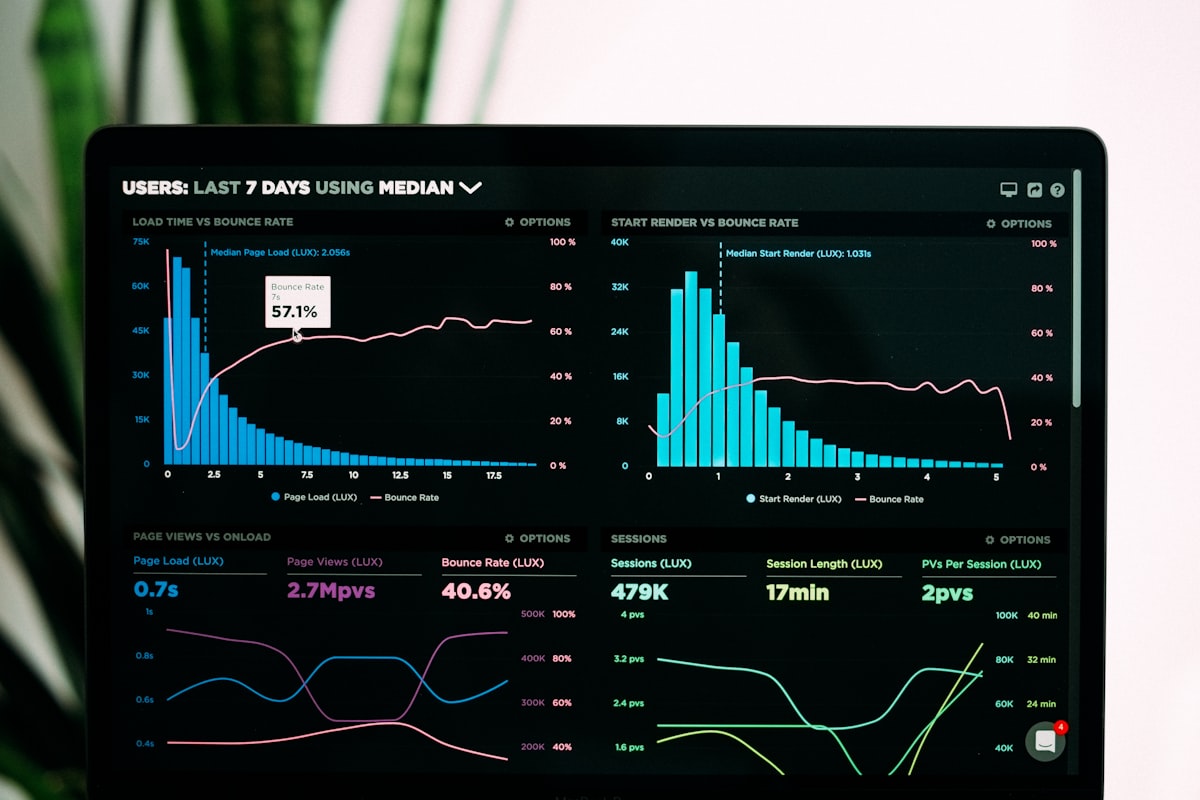
IIoT and digital twin technology is best understood as a change in the economics of measurement rather than a change in the nature of reliability engineering. Tiaravib has supported Indonesian industrial operations since 1995, and the pattern is consistent: plants that connect monitoring to maintenance execution gain from every sensor they add, while plants that add sensors without that connection gain only a larger data set. Relevant frameworks include ISO 13374 for condition monitoring data processing and communication, ISO 17359 for programme design, and NIST material on data and analytics frameworks.