Hygienic Production, Packaging Lines, Utilities and Predictive Maintenance in Indonesia
A practical reliability execution guide for hygienic food and beverage production, packaging lines, utilities and predictive maintenance.
Hygienic Reliability Execution for Food and Beverage Manufacturing in Indonesia
Food and beverage plants must protect product safety, consistent quality and delivery performance at the same time. A packaging-line stop can leave product warming, labels mismatched or dispatch commitments at risk. A utility interruption can affect clean-in-place cycles, compressed air quality, refrigeration or steam availability. For this reason, predictive maintenance Indonesia in hygienic manufacturing must be designed around production windows, sanitation rules and product risk—not copied from a heavy industrial route.
A practical asset reliability management program connects hygienic engineering, operations, maintenance, quality and planning. It uses condition evidence to avoid unplanned intervention, while ensuring that inspection methods, lubricant controls and repair practices do not compromise the production environment. The goal is controlled uptime: equipment that runs predictably, is maintained in planned windows and returns to service with its performance and hygiene requirements verified.

Map the Line and Its Utilities as One System
Begin with the product path: preparation, mixing, thermal process, filling, capping, labeling, packing, conveying and cold storage where applicable. Then map the enabling systems: chilled water, refrigeration, steam, compressed air, vacuum, process water, CIP and electrical distribution. A filler may be the obvious bottleneck, but an unstable air compressor, cooling pump or CIP return pump can cause the same production loss. A documented equipment criticality ranking should account for food safety, quality holds, sanitation time, shelf-life risk, line balance, redundancy and recovery time.
Classify assets by the consequence of losing their intended function, not by their purchase value. A small transfer pump with no bypass can stop an entire batch. A utility motor may have a standby unit but still be critical if the changeover is unreliable. This analysis directs scarce technician time toward equipment where early warning and disciplined execution make a meaningful difference.
Condition Monitoring That Respects Hygiene and Changeovers
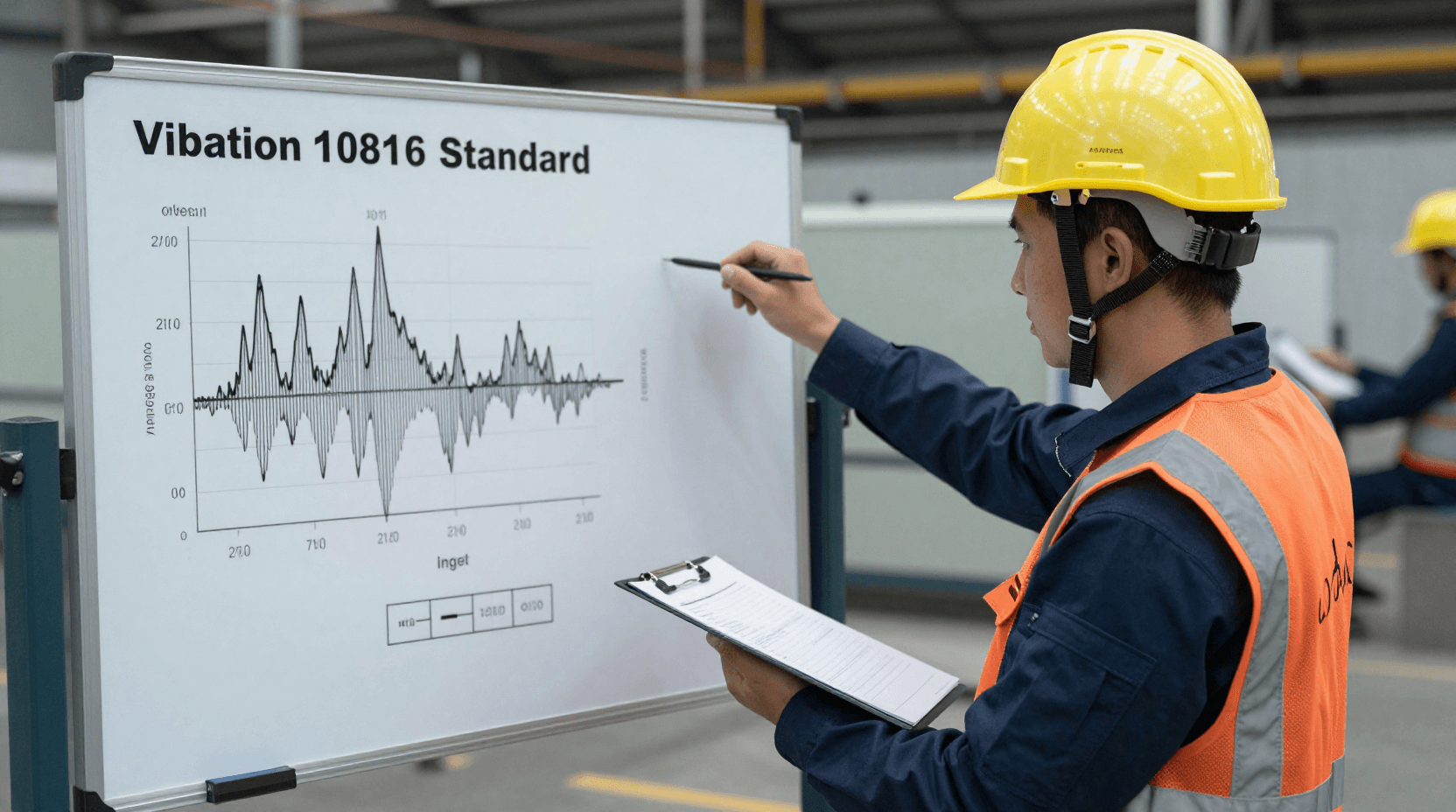
Vibration analysis Indonesia can reveal bearing, imbalance, alignment, looseness and gear-related issues on motors, pumps, blowers, conveyors and packaging drives. In a hygienic area, collect data using controlled routes and cleanable practices. Coordinate access with production and sanitation; do not create a contamination pathway by treating a food line like an unrestricted workshop. Measurement points, asset labels and baseline conditions should be standardized so trends survive format changes and maintenance turnover.
Packaging machinery needs more than overall vibration readings. A recurring carton jam may involve mechanical timing, wear, vacuum performance, sensor alignment or product variation. A high-speed conveyor problem may change with accumulated debris, belt tension or transfer geometry. Combine condition data with stop-code history, speed, changeover records and operator observations. The vibration signature resource is a useful technical reference, but plant context decides whether a signal is relevant to production.
Electrical and thermal checks complement mechanical routes. Use infrared thermography analysis for connections, panels and abnormal heating where safely accessible, and incorporate motor condition practices for critical drives through motor reliability technology. These methods should be scheduled so guards, lockout requirements and hygienic-zone procedures are respected.

Utilities: The Hidden Reliability Layer
Compressed air, refrigeration, steam and water systems are often treated as separate from line reliability until a disturbance stops filling or compromises a process parameter. Include their compressors, pumps, fans, motors, valves and controls in the same risk review. For chilled-water and refrigeration systems, monitor temperature stability, vibration, bearing condition and process load. For compressed air, consider compressor health, dryer performance, leakage and pressure stability. For steam and hot-water systems, focus on pump condition, condensate handling and the availability needed for cleaning or process heat.
Online condition monitoring Indonesia is appropriate for utility assets that are both critical and difficult to assess through periodic rounds, such as a central refrigeration compressor, primary air compressor or a high-consequence circulation pump. Select a limited number of useful signals and establish who reviews them. A permanent sensor cannot replace a response process: each exception needs a named reviewer, severity criteria and a route into a planned job.
Packaging Lines: Convert Stops Into Failure Intelligence
Packaging lines generate valuable operational evidence. Separate chronic minor stops from genuine condition-related failures, then look for patterns by machine, product format, shift, speed and time since changeover. Combine line-stop data with maintenance history to identify components that repeatedly consume recovery time. A bad actor analysis prevents teams from accepting recurring faults as “normal” production noise.
For pumps and liquid handling, cavitation, seal damage, bearing distress, misalignment and process changes may produce overlapping symptoms. Link field checks with appropriate pump reliability technology, vibration trends and operator feedback. For fans used in cooling, extraction or HVAC, accumulation and balance changes matter; review applicable fan reliability technology practices alongside cleaning schedules and airflow requirements. This equipment-specific reasoning is more useful than treating every alarm the same way.
From Diagnosis to a Hygienic Work Package
Every condition finding should translate into an executable job with a product-safe scope. Identify whether the repair can occur during a planned sanitation, format change, weekend maintenance window or a controlled production stop. Include isolation, food-contact protection, foreign-material prevention, approved lubricants, cleaning requirements, calibration checks and restart acceptance criteria. Maintenance planners must know the latest safe completion date, materials, labor skill and expected duration; planning and scheduling support helps build this discipline.
Parts strategy matters because packaging components, seals, bearings and specialty motors can have long lead times. A reliability-centered spare-part approach identifies what must be held, what can be shared and which parts require quality or food-grade specifications. After repair, verify both machine condition and process performance: confirm vibration or temperature returns to baseline, guards are correct, the line runs at required speed, and cleaning or quality release requirements are completed.
Governance That Includes Quality and Operations
A weekly review should include the production owner, maintenance planner, reliability resource and a quality or hygienic-engineering representative when relevant. Review high-severity findings, overdue actions, utility risks, recurring stops and work planned around sanitation or changeovers. Do not use the meeting to review every measurement; use it to remove blockers and make risk decisions.
Measure outcomes that matter to the plant: critical findings completed within their action window; unplanned downtime on constrained lines; repeat stop reduction; utility stability; percentage of planned versus emergency work; and post-maintenance verification compliance. For plants that need to quantify dependencies between utilities, process assets and packaging lines, a reliability, availability and maintainability study offers a structured method for examining availability exposure.
A 90-Day Pilot for a Hygienic Plant
In the first month, select one constrained line and its supporting utilities. Map the asset hierarchy, validate stop codes, rank criticality and identify the top mechanical, utility and sanitation-related failure modes. In the second month, create controlled measurement routes, establish baselines at known production states and define the finding-to-work-order workflow. Add online monitoring only to selected utility or line assets where continuous visibility has a clear response value.
In the final month, plan and execute a condition-driven intervention during an approved window, then verify machine performance and hygienic restart controls. Review which data were useful, which approvals slowed action and whether the repair prevented a credible production loss. Scale the model only after the plant can detect, decide, execute and verify without bypassing food-safety discipline. That is how predictive maintenance Indonesia supports reliable hygienic production rather than creating another dashboard.
Design the Route Around Allergen, Washdown and Product Controls
A condition-monitoring route in a food plant needs a hygiene plan. Define entry requirements, approved tools, cleanability, protective clothing, staging locations and the actions required if a tool contacts a product-contact surface. Where allergens are managed by zoning, the route must respect those boundaries. These controls should be documented alongside the technical route so a new technician can collect data consistently without improvising in a sensitive area.
Washdown changes the equipment environment. Water ingress, cleaning chemicals, temperature transitions and moisture can affect bearings, seals, electrical enclosures and sensors. Review trends after major cleaning cycles and distinguish a repeatable washdown-related condition from normal production variation. The right response may be a seal or enclosure improvement, a lubrication review or a change in cleaning practice—not simply more frequent component replacement.
Use Changeovers as Planned Inspection Opportunities
Format changes and sanitation windows create short but valuable access opportunities. Identify checks that can be completed without extending the window: inspect guards and fasteners, examine wear points, verify belt tracking, listen for abnormal pneumatic or vacuum behavior, and review condition data collected during the prior run. Plan deeper work separately when its duration, isolation and quality-release needs are understood. This approach prevents a rushed changeover from becoming an unplanned repair.
For each repeat issue, capture the product format, operating speed, run duration, cleaning state and corrective action taken. A case that appears to be random bearing or conveyor trouble may correlate with a particular container, recipe, ambient condition or setup. That combined data set allows engineering, quality and maintenance to address the underlying interaction rather than repeatedly resetting the machine.
Set Clear Alarm and Escalation Rules
For online assets, define a normal baseline by operating mode and decide which deviations require observation, field confirmation, planned correction or immediate protection. Temperature, vibration and process measurements should be interpreted together. For example, a small vibration change with a major change in production rate may need trend review, whereas a rapidly rising bearing-temperature signal on a critical refrigeration machine may require an immediate operational response.
Write the escalation rule in plain language and assign a named role for each handoff. The person receiving an alert needs enough context to judge product and utility consequence, while the reliability resource needs feedback on what the line was doing. Test this workflow with a simulated alert before relying on it during an actual event. Timely, understandable escalation is central to a functioning condition monitoring service indonesia.
Competence and Documentation Make Hygiene-Compatible Reliability Scalable
Operators are often first to hear an air leak, see a conveyor tracking change or notice a difference in filler behavior. Train them to report observations with asset, time, format and operating condition, not to diagnose a component from memory. Train maintenance personnel in condition evidence, hygienic repair practice, approved materials and post-work documentation. Analysts should be able to explain findings and action windows to non-specialists.
Maintain a concise asset record containing the current baseline, relevant condition history, approved lubricant or seal requirement, known repeat faults and restart acceptance checks. This record is especially valuable across shifts, contract work and seasonal production changes. It means a planned repair has an auditable technical and hygiene context, supporting a calmer response when production pressure is high.
Avoid Activity Metrics That Hide Risk
Counting routes, scans or sensor installations may demonstrate effort but cannot show whether the plant is safer or more available. Pair activity measures with response quality: how many critical findings were reviewed on time, how many repairs were completed in planned windows, how many were verified after restart, and which recurring stops were eliminated. Review quality-related deviations and sanitation delays alongside downtime so reliability does not optimize one objective at the expense of another.
As the program matures, use verified cases to improve standards. A bearing issue discovered early may justify a revised lubrication interval; a recurring packaging jam may justify a design change or new setup check; a utility incident may reveal a gap in standby testing. This learning loop makes predictive maintenance a practical part of hygienic production control.
Keep the Pilot Focused on a Real Business Constraint
A credible pilot does not need to cover every utility and packaging asset. Select one line where downtime, waste, quality holds or changeover recovery are visible, then include only the supporting systems that influence it. Agree the baseline performance, the failure modes to watch and the roles that will review findings. This bounded scope makes it possible to prove whether early condition evidence improves planning and protects production without disrupting established hygiene routines.
Frequently Asked Questions
Which food and beverage assets should be included first?
Start with the constrained production line, its filler or packaging equipment, and the utilities that can stop or compromise that line, such as refrigeration, compressed air, CIP, steam or chilled-water systems.
Can vibration monitoring be used in hygienic production areas?
Yes, when routes, tools and access are controlled to meet site hygiene requirements. Standardized cleanable practices and coordination with sanitation and production teams protect both data quality and product integrity.
Why are utilities part of predictive maintenance for packaging lines?
Packaging and process equipment depend on stable air, cooling, steam, water and power. A developing utility failure can create the same outage or quality risk as a mechanical fault on the line.
What should be verified after a condition-based repair?
Verify the repaired machine’s condition under normal operation, confirm required speed or process performance, document the work, and complete applicable cleaning, guarding, calibration and quality-release checks.
Make Reliability an Executable Production Discipline
A useful program makes risk visible early, assigns an owner, reserves the work window and verifies the result after intervention. That operating discipline is how condition evidence becomes safer, more predictable production. To scope a sector-specific assessment or monitoring program, contact Tiara Vibrasindo Pratama.