Need a reliability partner in Indonesia? Contact Tiaravib — email info@tiaravib.com or WhatsApp +6282113783727.
Pumps are the most numerous rotating assets in any process plant, and pump failures are consistently among the top contributors to unplanned downtime in Indonesian industry. A systematic pump reliability program reduces failure frequency, extends mean time between repairs, and cuts maintenance costs — delivering measurable improvements to plant availability and profitability. This guide covers the essential elements of an effective pump reliability program tailored to Indonesian industrial conditions.
The Pump Reliability Challenge in Indonesia
Indonesian process plants — in oil and gas, petrochemical, power generation, mining, pulp and paper, and food processing — collectively operate tens of thousands of centrifugal, positive displacement, and specialty pumps. Despite being relatively simple machines, pumps generate a disproportionate share of maintenance work orders and unplanned downtime events. Industry surveys consistently show that the average centrifugal pump in a process plant fails every 12–18 months, with best-in-class facilities achieving MTBR (Mean Time Between Repair) of 5 years or more for the same equipment.
The gap between average and best-in-class performance is not explained by equipment quality — it is explained by the quality of the reliability program. Plants that apply systematic failure analysis, precision maintenance, proper operating discipline, and condition monitoring consistently achieve pump MTBR several times higher than those relying on reactive maintenance. The financial impact is substantial: a plant with 500 pumps reducing its average failure rate from one per year to one per three years saves hundreds of millions of rupiah annually in parts, labor, and lost production.
Understanding Why Pumps Fail
Mechanical Seal Failure
Mechanical seal leakage accounts for 25–35% of pump failures in most plants. Seal failures are caused by: dry running (seal faces running without lubrication, often caused by loss of suction or improper startup), cavitation damage to seal faces, thermal shock from rapid temperature changes, misalignment creating excessive shaft deflection, contamination of the flush system, and incorrect seal selection for the process fluid. A dedicated seal improvement program — addressing root causes rather than simply replacing seals — can dramatically reduce this failure category.
Bearing Failure
Bearing failures account for 40–50% of pump failures. Root causes include: contaminated lubricant (dirt, water, process fluid ingress), excessive radial loads from operation away from Best Efficiency Point (BEP), misalignment, incorrect bearing preload, and improper installation practices (bearing fitting using hammers rather than proper induction heaters). Each of these is preventable with proper practices.
Cavitation and Hydraulic Instability
Cavitation — the formation and collapse of vapor bubbles within the pump — causes severe erosive damage to impellers and casings, generates distinctive noise and vibration, and dramatically reduces pump life. Cavitation results from insufficient Net Positive Suction Head Available (NPSHa) relative to the pump’s requirement, or from operation at very low flow rates in the recirculation zone. Many Indonesian plant operators are unaware that their pumps are cavitating, because the symptoms (noise, vibration, performance degradation) are not always recognized as cavitation.
Five Pillars of a Pump Reliability Program
1. Pump Criticality Ranking and Asset Management
Begin by establishing a complete, accurate pump register and applying a formal criticality ranking methodology. Classify each pump by its production impact, safety significance, availability of standby, and failure history. This ranking drives all subsequent resource allocation decisions: which pumps warrant condition monitoring, which require enhanced maintenance standards, and which spare parts to stock.
2. Failure Elimination Through Root Cause Analysis
Every pump that fails more frequently than its design MTBR warrants a formal root cause analysis. The goal is not to identify the immediate cause (bearing failed, seal leaked) but the underlying physical, human, and latent root causes that made the failure possible. Eliminating root causes — through design improvements, procedure changes, or training — permanently reduces failure rates rather than simply managing them.
3. Precision Maintenance Practices
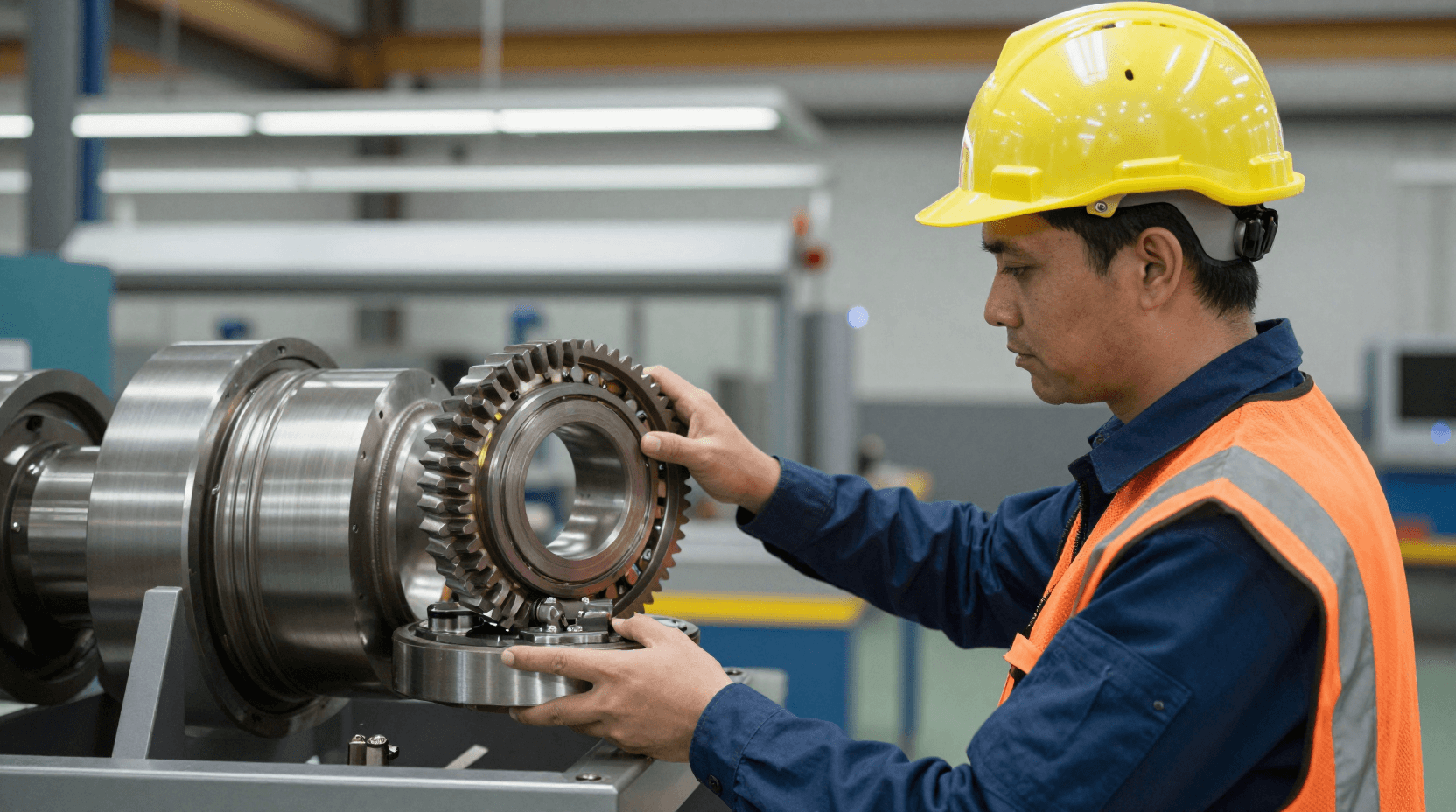
Pump reliability begins on the workbench. Precision maintenance practices — laser alignment, dynamic balancing, proper bearing installation using induction heaters, correct seal assembly with proper face loading and flush connections — eliminate the installation-induced defects that are the root cause of a large proportion of early pump failures. Establishing and enforcing precision maintenance standards is one of the highest-return reliability investments available.
4. Condition Monitoring
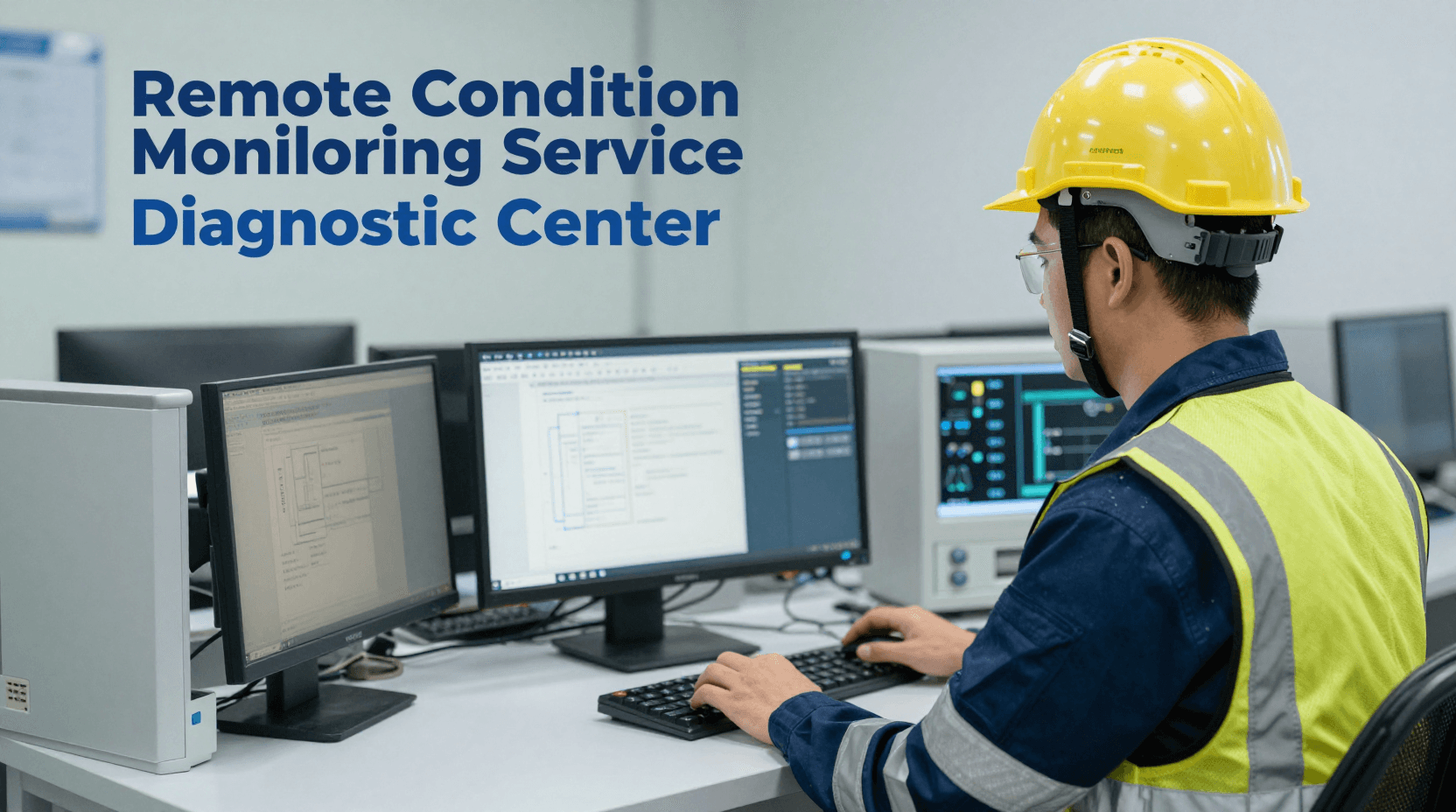
Condition monitoring detects developing faults before they cause failures. For pumps, the key technologies are: vibration analysis (bearing and mechanical defects, cavitation, hydraulic instability), performance monitoring (flow, head, and efficiency trends indicating wear or plugging), and oil/grease analysis for oil-lubricated bearings. Tiaravib’s condition monitoring services apply these technologies systematically to critical pumps throughout Indonesian process plants.
5. Operating Discipline
Many pump failures are caused not by maintenance deficiencies but by operating practices: starting pumps against closed discharge valves, allowing pumps to run dry, operating at flows far from BEP, and improper startup/shutdown sequences. Operator training and clear operating procedures — enforced through management discipline — address this significant contributor to pump failure rates.
Condition Monitoring Technologies for Pumps
Vibration Analysis for Pumps
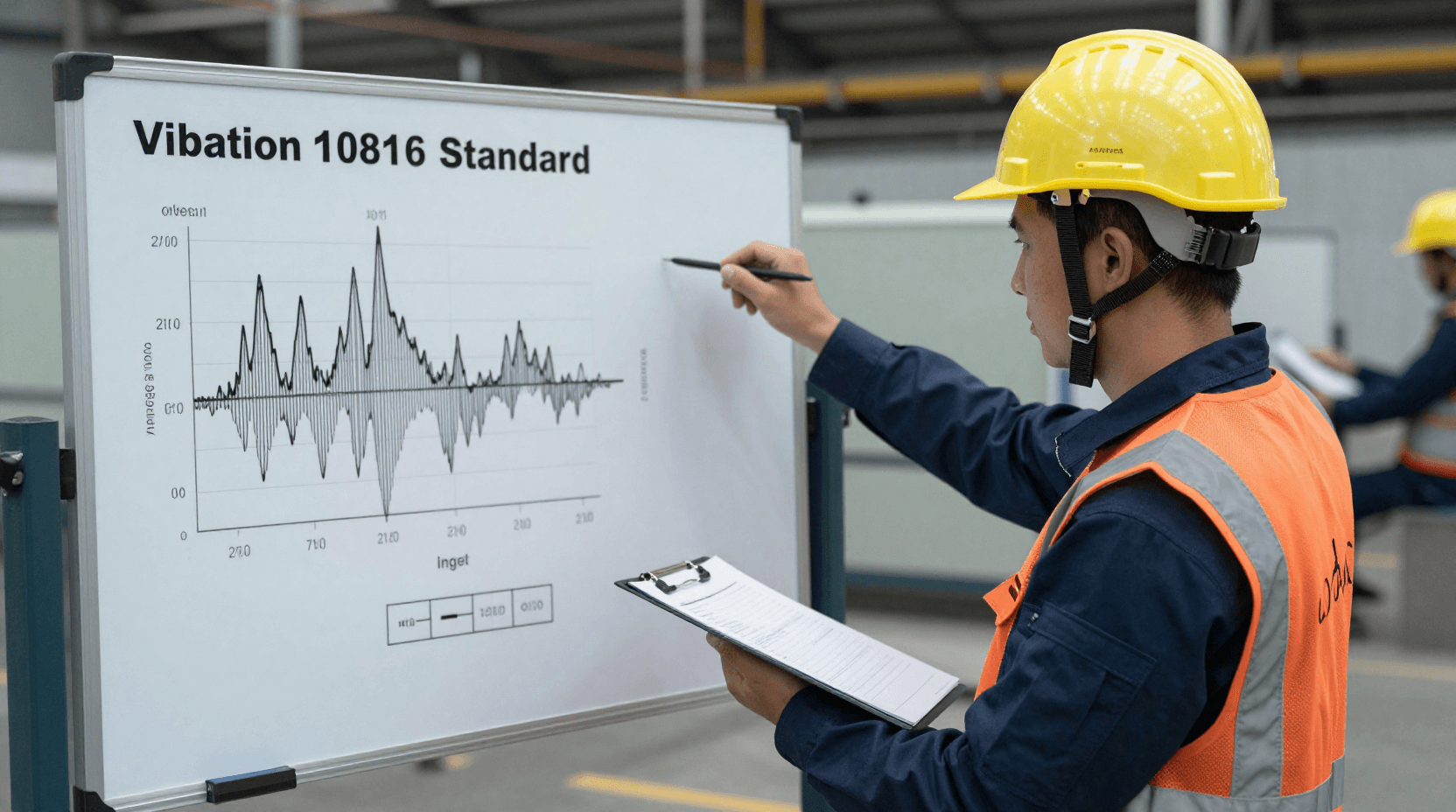
Vibration measurement on pump bearing housings (both drive end and non-drive end) detects rolling element bearing defects, rotor imbalance, misalignment, looseness, and hydraulic instability patterns. High-frequency acceleration measurements (enveloping/demodulation) are particularly effective for early bearing defect detection. Tiaravib’s vibration analysis team provides both periodic route measurements and continuous monitoring for critical pumps.
Performance Trending
Tracking pump head, flow, and power consumption against the original pump curve reveals performance degradation from impeller wear, internal recirculation, or system changes. A pump operating significantly off its design curve is consuming excess energy and likely experiencing accelerated wear — both of which should trigger investigation and corrective action.

Building a Pump Reliability Database
A pump reliability database is the institutional memory of your reliability program. For each pump, it should capture: complete nameplate data and design specifications, failure history (dates, failure modes, parts replaced, labor hours), repair history (work performed, as-found and as-left condition), condition monitoring history and trends, and cost history (parts, labor, production loss). This data enables Pareto analysis to identify the worst-performing pumps, benchmarking against industry standards, and measurement of improvement initiatives over time.
Many Indonesian plants lack comprehensive pump reliability databases, relying instead on paper-based maintenance records that are difficult to analyze systematically. Implementing a simple database — even a well-structured spreadsheet — immediately begins generating the data needed to drive improvement. More mature operations use Computerized Maintenance Management Systems (CMMS) that integrate work orders, condition monitoring data, and reliability metrics.
Tiaravib’s Pump Reliability Services
Tiaravib provides comprehensive pump reliability support for Indonesian process plants. Our services include pump condition assessment and criticality ranking, vibration analysis and condition monitoring programs, root cause failure analysis for chronic pump failures, precision maintenance training and procedures, and performance monitoring systems. Our reliability engineers have deep experience with pumps across oil and gas, power, mining, and process industries throughout Indonesia.
Contact our team to discuss how a structured pump reliability program can reduce your maintenance costs and improve plant availability. Learn more about our predictive maintenance and reliability services.
FAQ: Pump Reliability in Indonesian Plants
What is a realistic pump MTBR target for an Indonesian process plant?
Best-in-class process plants achieve pump MTBR of 4–6 years for centrifugal pumps. A realistic improvement target for a plant starting a pump reliability program is to move from a typical 12–18 month MTBR to 36 months within 3–5 years. This requires systematic application of root cause analysis, precision maintenance, and condition monitoring.
How do I know if my pump is cavitating?
Cavitation typically produces a distinctive crackling or rattling noise (often described as “pumping gravel”), elevated vibration levels (especially broadband high-frequency vibration), reduced pump performance (lower flow and head than expected), and visible erosion damage on impellers and casings when the pump is opened. If you suspect cavitation, vibration analysis and performance measurement can confirm the diagnosis.
Should we stock pump spares locally or rely on manufacturer supply?
For critical pumps in remote Indonesian locations, local spare parts stocking is essential. At minimum, stock a complete set of rotating element spares (impeller, shaft, bearings, mechanical seal, wear rings) for each critical pump. For semi-critical pumps, stock seal and bearing kits. Relying on manufacturer supply for critical spares in remote locations risks extended downtime that far exceeds the cost of the inventory investment.