Need a reliability partner in Indonesia? Contact Tiaravib — email info@tiaravib.com or WhatsApp +62 850-0167-7742.
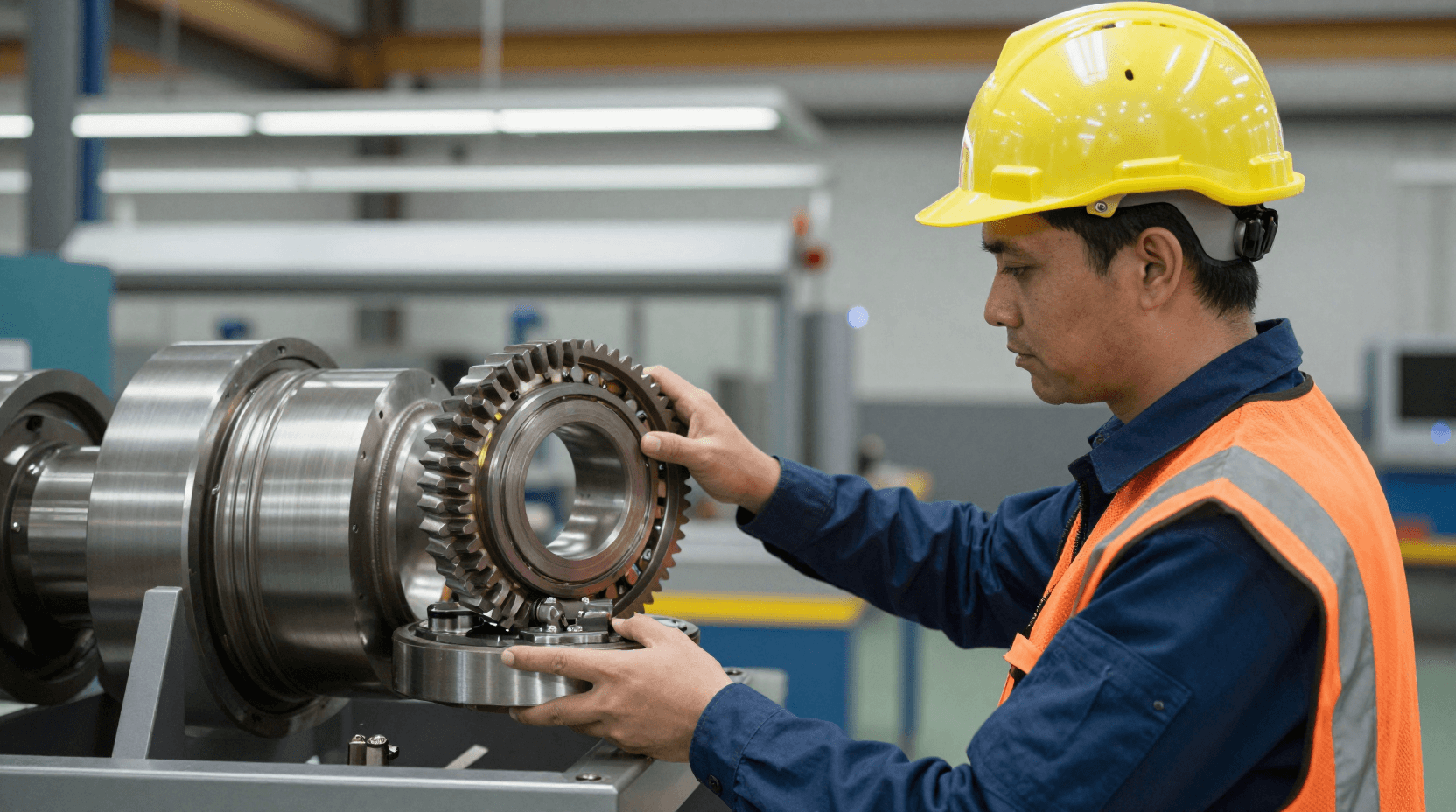
Rotating equipment reliability is a critical discipline for Indonesian industrial operations. From oil refineries in Kalimantan to petrochemical complexes in East Java and paper mills across Sumatra, rotating machines — pumps, compressors, turbines, fans, and motors — form the backbone of production. When these assets fail unexpectedly, the consequences are severe: lost production, safety incidents, and repair costs that can reach hundreds of millions of rupiah per event. This comprehensive guide explores best practices for rotating equipment reliability in the Indonesian industrial context.
Understanding Rotating Equipment in Indonesian Industry
Indonesia’s industrial base is dominated by process industries that depend heavily on rotating machinery. The oil and gas sector — anchored by Pertamina and numerous PSC operators — relies on large centrifugal and reciprocating compressors, high-pressure pumps, and gas turbine drivers. The mining sector uses enormous slurry pumps, conveyor drives, and crushers. Power generation depends on steam and gas turbines, boiler feed pumps, and cooling water systems. Each of these applications has unique reliability challenges shaped by Indonesia’s tropical climate, remote locations, and the competency profile of the local workforce.
The tropical environment creates specific stressors for rotating equipment: high ambient temperatures accelerate bearing and lubrication degradation, high humidity drives corrosion and electrical insulation breakdown, and seasonal flooding can compromise foundations and alignment. Plants in remote Kalimantan and Papua face additional challenges in sourcing spare parts and qualified technicians quickly when failures occur.
The Reliability-Centered Approach to Rotating Machinery
Failure Mode Analysis for Rotating Equipment
The foundation of any rotating equipment reliability program is a thorough understanding of how equipment fails and the consequences of each failure mode. Failure Mode and Effects Analysis (FMEA) applied to rotating machinery identifies the dominant failure mechanisms — bearing wear, imbalance, misalignment, seal failure, cavitation, fouling — and maps them to the appropriate detection and mitigation strategies.
For centrifugal pumps, the most common asset class in Indonesian process plants, the dominant failure modes are typically: bearing failure (40-50% of failures), mechanical seal leakage (25-30%), impeller wear and cavitation (15-20%), and coupling/alignment issues (10-15%). Understanding this distribution allows maintenance resources to be prioritized correctly and the appropriate condition monitoring technologies to be applied to each failure mode.
Criticality Ranking
Not all rotating equipment warrants the same investment in reliability activities. A criticality analysis — typically using a risk matrix that considers probability of failure, production impact, safety consequences, and environmental risk — establishes a tiered approach. Critical assets receive continuous online monitoring, detailed FMEA, optimized maintenance strategies, and dedicated spare parts. Less critical assets are managed with periodic offline measurement and run-to-failure strategies where appropriate.
In a typical Indonesian process plant, perhaps 20% of rotating assets will be classified as critical or semi-critical, but these assets represent 80% of potential production loss from equipment failures. Focusing reliability resources on this critical minority delivers the greatest return on investment.

Core Technologies for Rotating Equipment Reliability
Vibration Analysis
Vibration analysis is the most powerful and widely applicable technology for detecting developing faults in rotating machinery. Every mechanical anomaly — imbalance, misalignment, bearing defects, gear mesh problems, looseness, resonance — produces a distinctive vibration signature that can be detected and diagnosed using accelerometers and spectrum analyzers. A skilled vibration analyst can identify a developing bearing defect weeks or months before it progresses to failure, providing ample time for planned maintenance intervention.
Tiaravib’s vibration analysis services apply both periodic route-based measurements and continuous online monitoring to rotating assets across Indonesian industries. Our ISO 18436-2 certified analysts interpret vibration data in the context of each machine’s specific design, operating conditions, and history — delivering actionable diagnostics rather than raw data.
Oil Analysis
Lubricating oil analysis provides critical insight into the health of both the oil itself and the machine internals it contacts. Wear particle analysis detects metallic debris generated by bearing surfaces, gear teeth, and other tribological contacts before they are large enough to cause secondary damage. Viscosity, oxidation, and contamination measurements indicate oil degradation and the presence of water or process fluid ingress. For large compressors, turbines, and gearboxes with significant oil systems, regular oil analysis is an essential component of the reliability program.
Thermography
Infrared thermography detects abnormal heat generation in electrical components, bearing housings, and process equipment. For rotating machinery, thermographic inspection of motor windings, coupling guards, and bearing locations provides a complementary perspective to vibration data. It is particularly effective for detecting lubrication-related problems and electrical issues in motor-driven equipment.
Online Continuous Monitoring
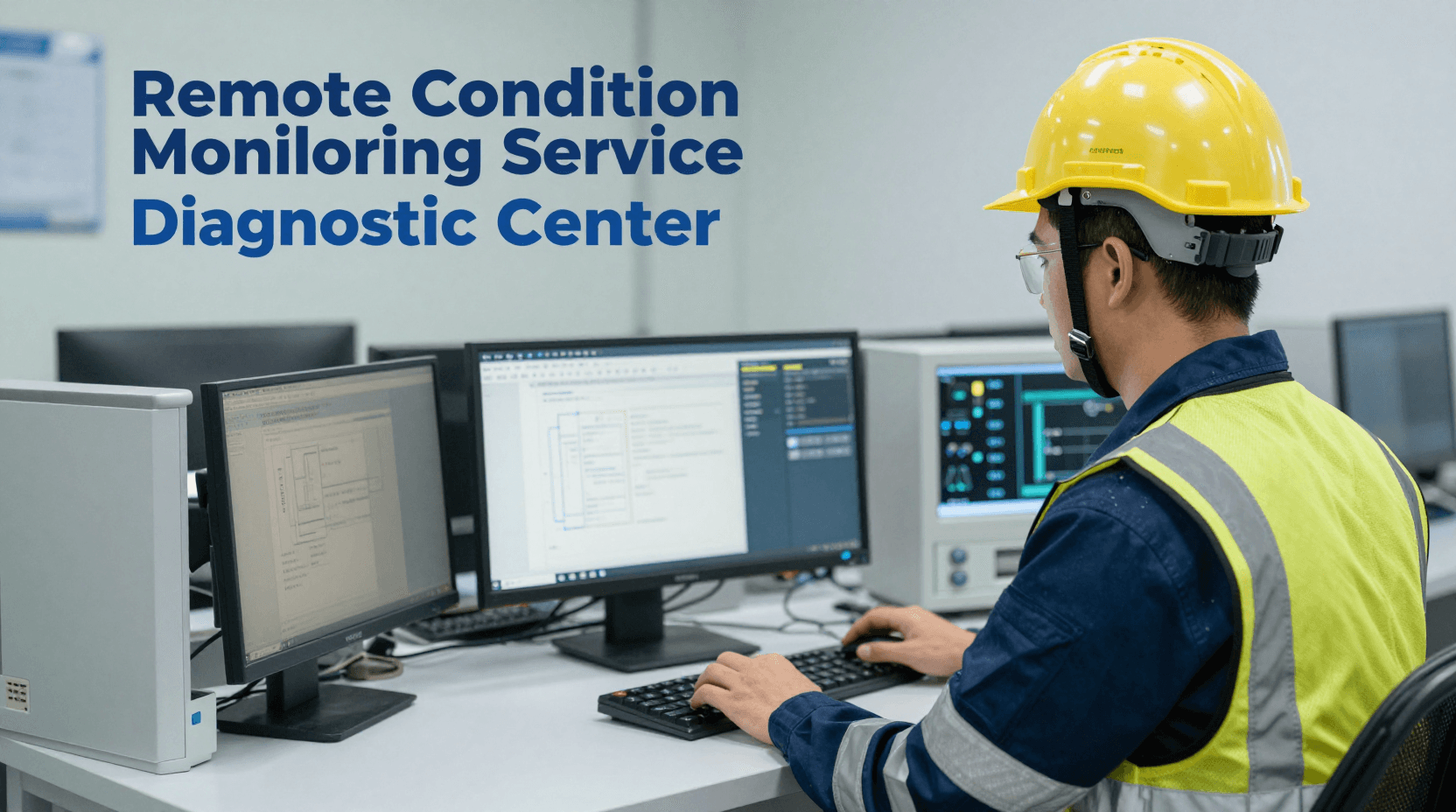
For critical rotating equipment that operates continuously and cannot easily be shut down for periodic measurement, online continuous monitoring systems provide 24/7 surveillance. Permanently installed sensors stream data to a central system that applies alarm logic and trend analysis. Modern systems incorporate machine learning algorithms that can detect subtle pattern changes indicating developing faults that might not trigger simple threshold alarms.
Tiaravib’s online condition monitoring solutions are designed for the demanding requirements of Indonesian process industries, with robust hardware suitable for tropical climates and connectivity options adapted to remote plant locations.
Lubrication Excellence: The Foundation of Rotating Equipment Reliability
Industry data consistently shows that 40-50% of all rotating equipment failures are lubrication-related — wrong lubricant, wrong quantity, contaminated lubricant, or degraded lubricant. Yet lubrication management often receives insufficient attention in Indonesian plants, where it is frequently treated as a routine task rather than a precision maintenance activity.
A lubrication excellence program addresses every aspect of the lubrication lifecycle: specification and selection of the correct lubricant for each application, proper storage and handling to prevent contamination, correct application methods and quantities, optimized relubrication intervals based on condition rather than calendar, and proper disposal. The return on investment from lubrication excellence — in terms of extended bearing life and reduced failure rates — is consistently among the highest of any reliability initiative.
Precision Maintenance: Alignment and Balancing
Misalignment between coupled machines is one of the most common and most damaging conditions affecting rotating equipment. Even slight angular or parallel misalignment creates cyclic bending forces on shafts, couplings, and bearings that accelerate fatigue failure. Precision laser alignment — now the standard practice for quality maintenance — can achieve alignment tolerances an order of magnitude better than traditional dial indicator methods.
Rotor imbalance is another pervasive source of vibration and premature bearing failure. Dynamic balancing — either in the field using portable balancing equipment or in a dedicated balancing machine — corrects mass distribution to eliminate the centrifugal forces that drive vibration and bearing loads. For fans handling dirty or erosive airstreams, which are common in Indonesian cement, mining, and power plants, regular field balancing is essential to maintain reliability between overhauls.

Building a Rotating Equipment Reliability Program in Indonesia
Implementing a world-class rotating equipment reliability program requires more than technology — it requires a structured organizational approach, skilled people, and sustained management commitment. Key elements include:
- Asset register and criticality ranking: Know what you have and how important it is
- Failure history database: Track what has failed, why, and what was done — this data drives improvement
- Condition monitoring routes and frequencies: Systematic, disciplined data collection on the right assets at the right intervals
- Qualified analysts: ISO 18436 certified vibration analysts, oil analysis interpreters, and thermographers
- Maintenance strategy optimization: Right maintenance task, right interval, right resources for each asset
- Work management integration: Condition monitoring findings driving work orders, parts procurement, and planned shutdowns
- KPIs and improvement reviews: Mean Time Between Failures (MTBF), maintenance cost per unit, OEE, and reliability improvement trends
Tiaravib provides comprehensive support for building and maturing rotating equipment reliability programs across Indonesian industries. From initial asset assessment and criticality ranking to ongoing condition monitoring services and reliability competency development, our team brings international standards to local operations. Learn more about our reliability services and predictive maintenance programs.
FAQ: Rotating Equipment Reliability in Indonesia
What is the most common cause of rotating equipment failure in Indonesian plants?
Lubrication-related failures account for 40-50% of rotating equipment failures. Bearing failures — often caused by contamination, inadequate lubrication, or excessive loads from misalignment or imbalance — are the dominant failure mode. A lubrication excellence program combined with precision maintenance (alignment and balancing) addresses the majority of preventable rotating equipment failures.
How often should vibration measurements be taken on rotating equipment?
Measurement frequency depends on asset criticality, speed, and failure mode development time. Critical assets in continuous service typically warrant monthly or more frequent measurements; semi-critical assets quarterly; and non-critical assets can often be managed on a 6-month cycle. For the most critical equipment, continuous online monitoring eliminates the risk of faults developing between periodic measurements.
What ISO standards apply to rotating equipment reliability and condition monitoring?
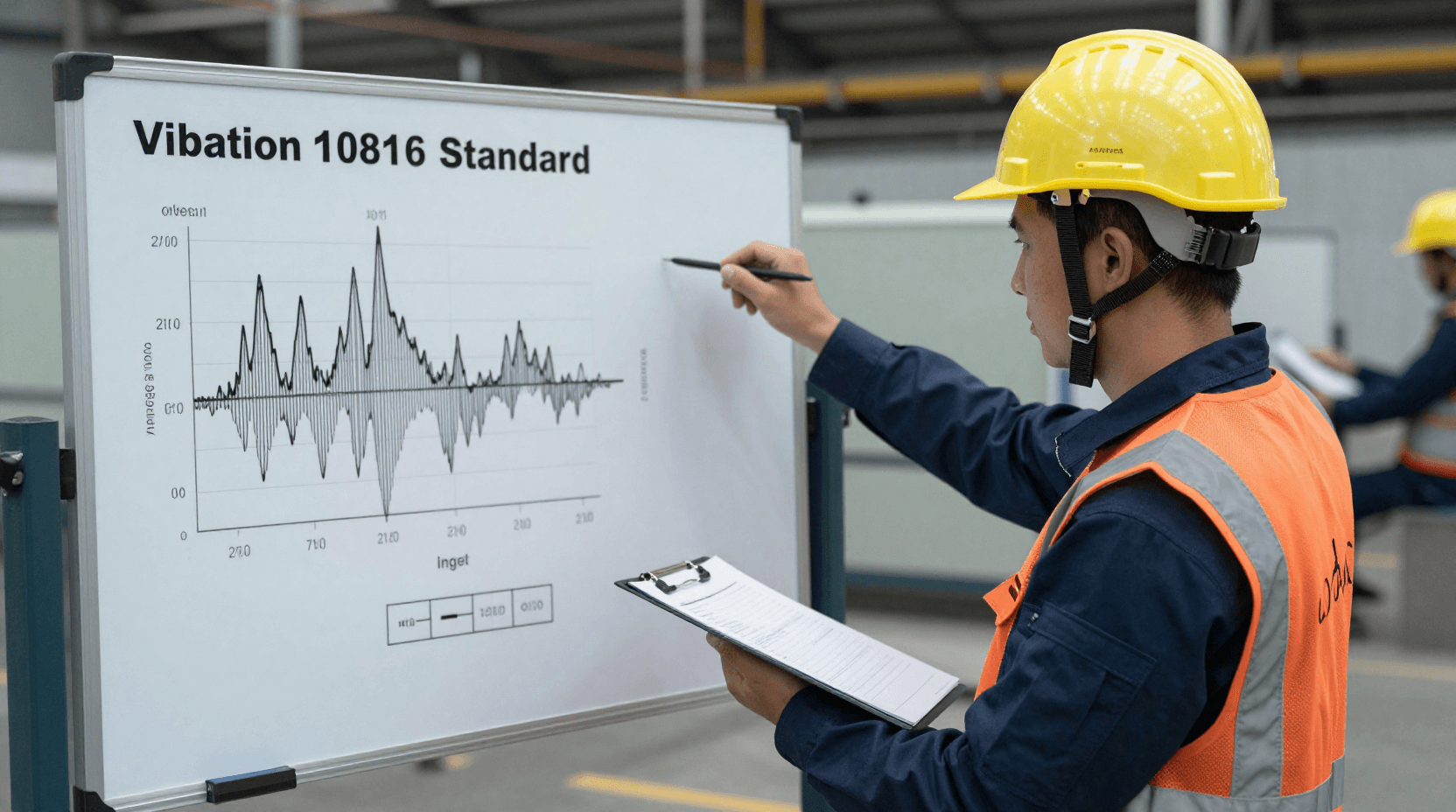
Key standards include ISO 10816/ISO 20816 (vibration severity of rotating machinery), ISO 18436 (condition monitoring and diagnostics — personnel competency), ISO 17359 (condition monitoring and diagnostics of machines — general guidelines), and ISO 55000 (asset management). Tiaravib’s analysts are certified to ISO 18436-2 (vibration) and ISO 18436-4 (acoustic emission) standards.